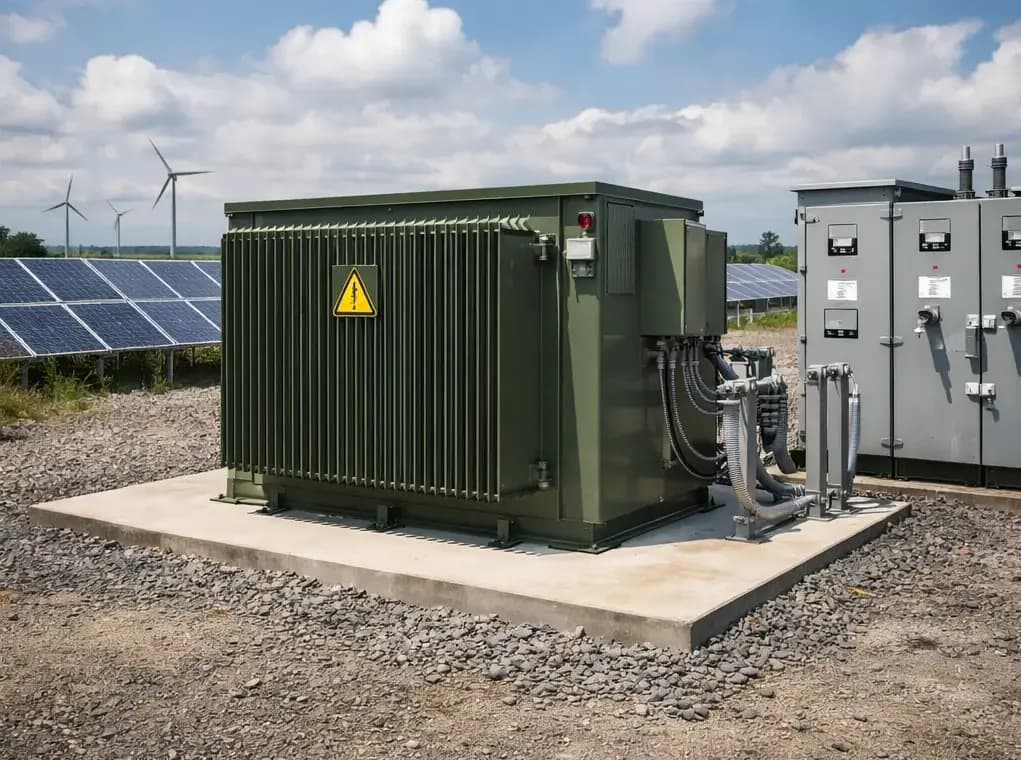
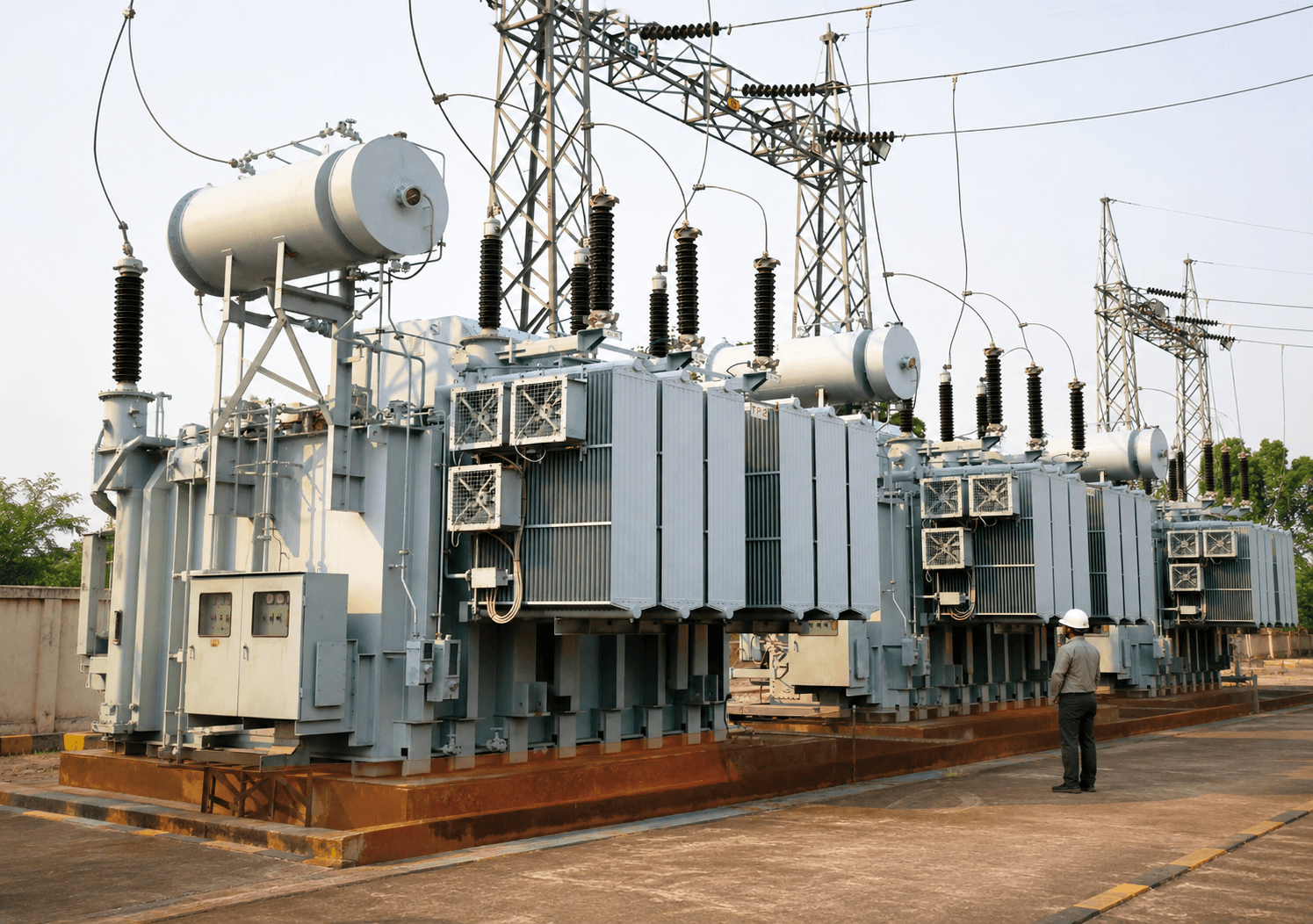
Electrical switchgear is the collection of electrical disconnect switches, fuses, or circuit breakers used to control, protect, and isolate electrical equipment. It is the gatekeeper of your electrical infrastructure, ensuring that faults are isolated before they cause damage or injury.\n\n### Main Types of Switchgear\nDepending on the voltage level and operating medium, switchgear is categorized into:\n1. Low Voltage (LV) Switchgear: Up to 1kV, commonly used in main distribution panels of buildings and small factories.\n2. Medium Voltage (MV) Switchgear: From 1kV to 75kV, typically found in transformer substations and heavy industrial plants.\n3. High Voltage (HV) Switchgear: Above 75kV, used for power transmission grids.\n4. Gas Insulated Switchgear (GIS): Uses Sulfur Hexafluoride (SF6) gas to isolate circuits. Extremely space-saving and reliable, suitable for urban environments.\n\n### Core Maintenance Practices\nRegular switchgear testing prevents costly unplanned outages:\n* Thermal Imaging Inspection: Use infrared cameras to detect loose connections or overloaded buses that generate excess heat.\n* Circuit Breaker Testing: Periodically test trip settings, insulation resistance, and contact wear.\n* Cleaning and Dust Removal: Dust build-up can create path tracking and cause insulation breakdown or flashovers. Ensure cabinets are clean and dry.
transformers2026-06-29•5 min read
Electric Switchgear: Enhancing Safety and System Reliability